One visit is all it takes to start an enduring relationship with Japan where antiquity and modernity exist in harmony. Japan has a modern outlook anchored in technological innovation. A rich culture, profound Buddhist and Shinto spiritual traditions and picture-perfect natural attractions make it appealing to travellers of all hues. We look at some iconic sights in four of Japan’s famous cities – Tokyo, Osaka, Kyoto and Shizuoko.
Tokyo: Modern meet classic
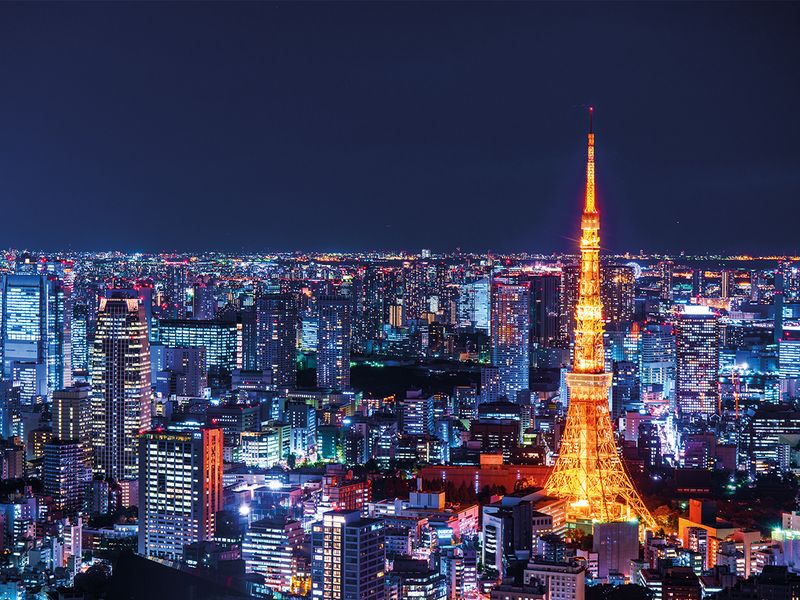
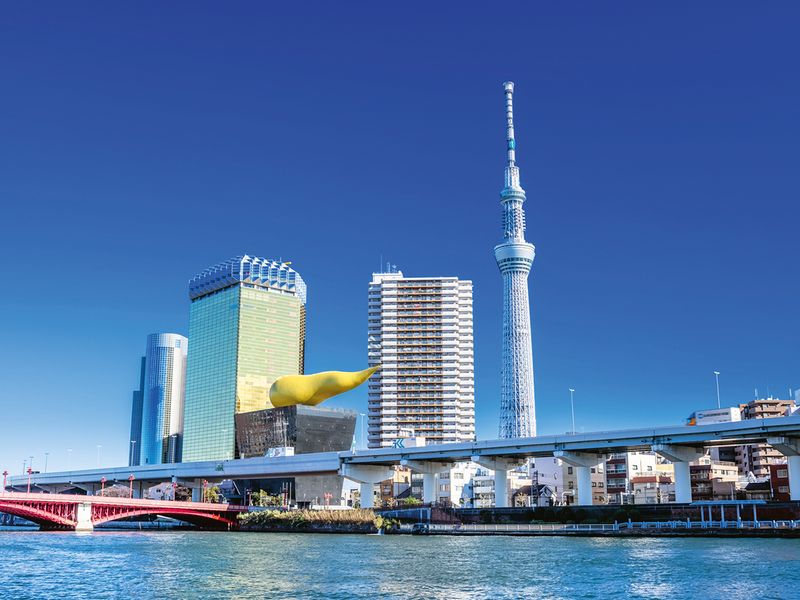
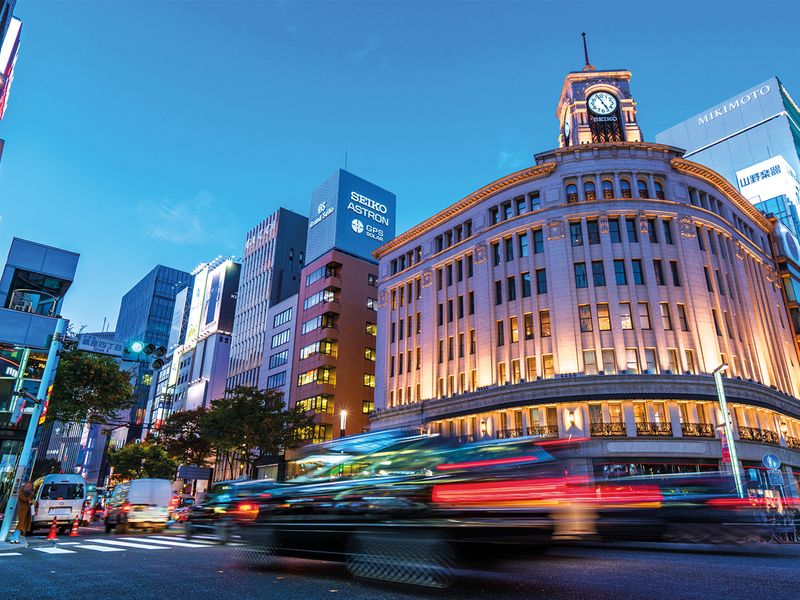
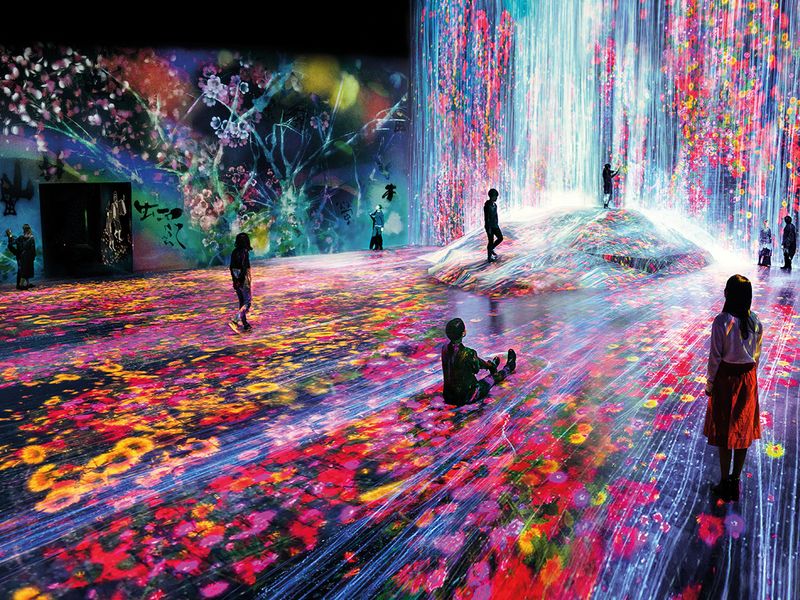
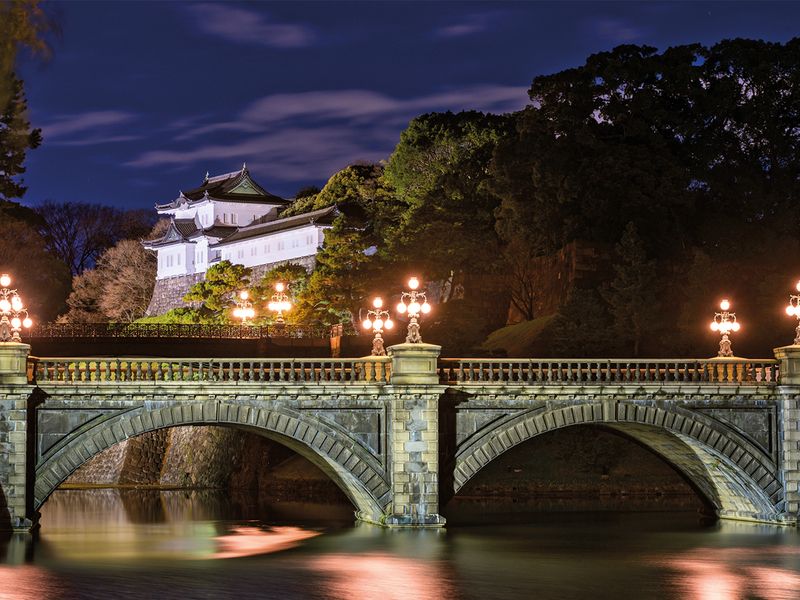
Tokyo, a compelling mix of the past and the present, is unlike any other city you have visited. The cityscape is a dense panorama of both old and modern design. From a tour of the capital’s sensational ancient temple to the magnificent Sky Tree, Tokyo is a treasure trove for the avid explorer.
Osaka: A perfect blend of entertainment and culture
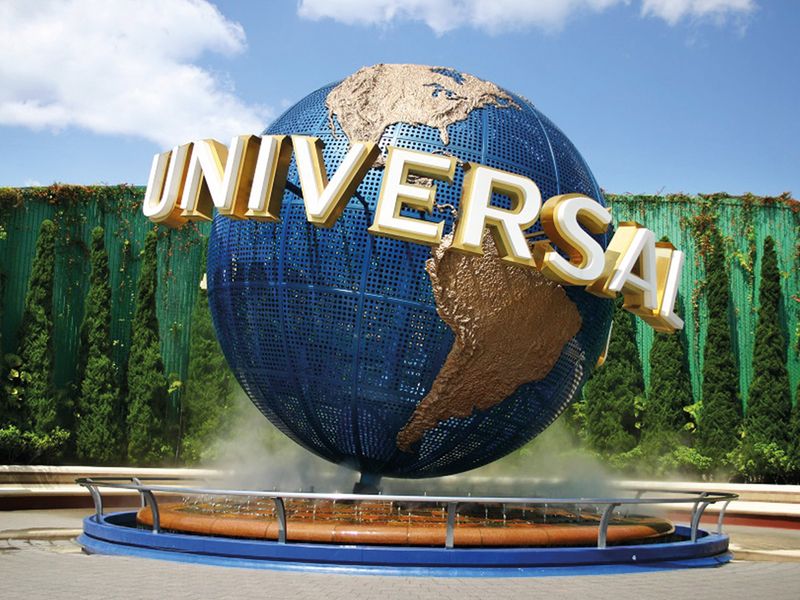
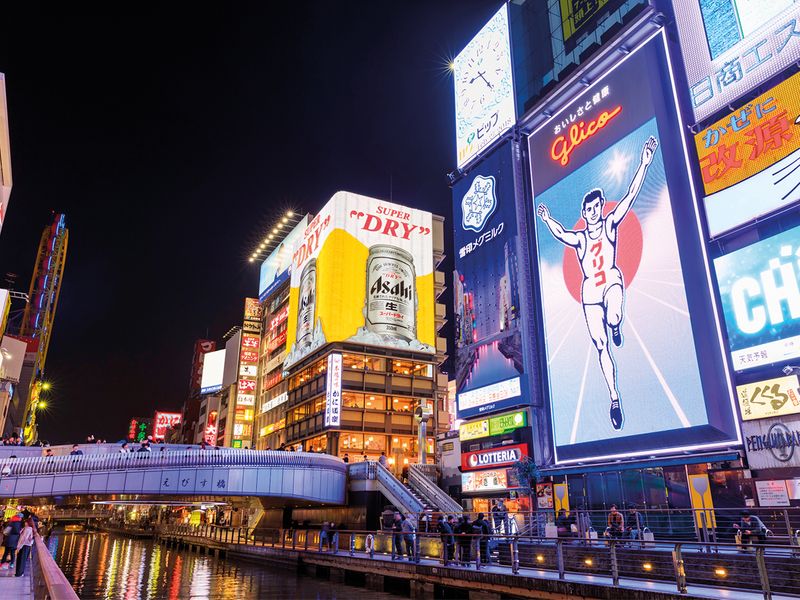
Osaka is a multifaceted city full of delicious food, boisterous locals and a friendly atmosphere. It is also a major financial and industrial centre. With easy, central access to Kyoto, Kobe and Nara, it also serves as a convenient and popular tourist hub. Wander the alleys and you’re sure to find people talking and laughing, enjoying Osaka’s world-famous soul food.
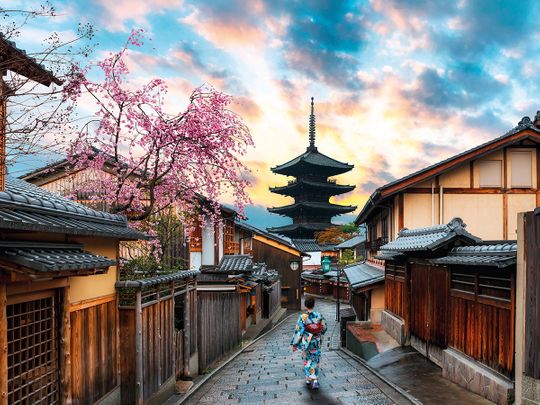
With its tranquil temples and traditions, this Japanese city beautifully balances the preservation of its past with modern conveniences and access to the UNESCO World Heritage Sites.
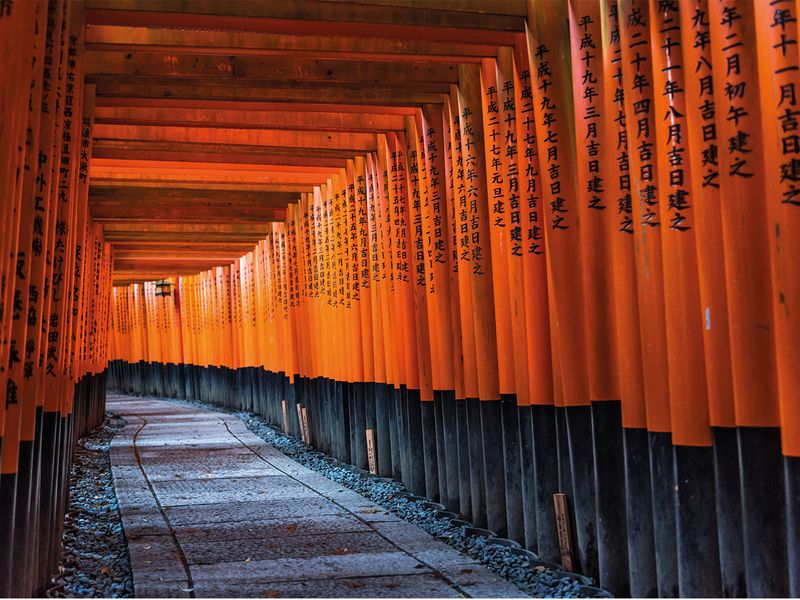
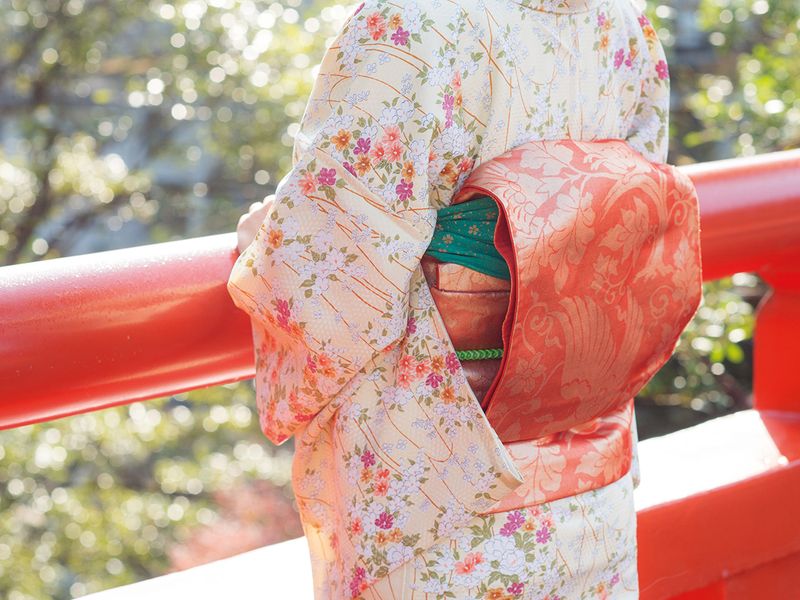
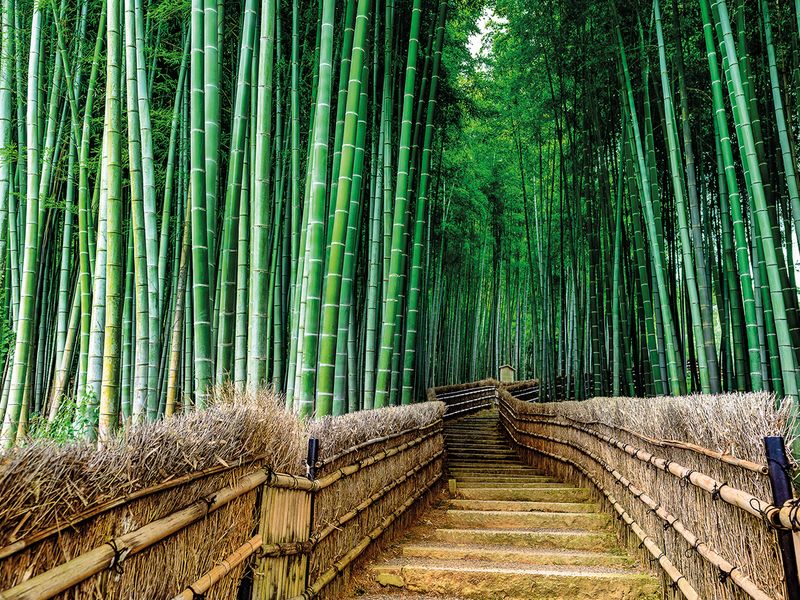
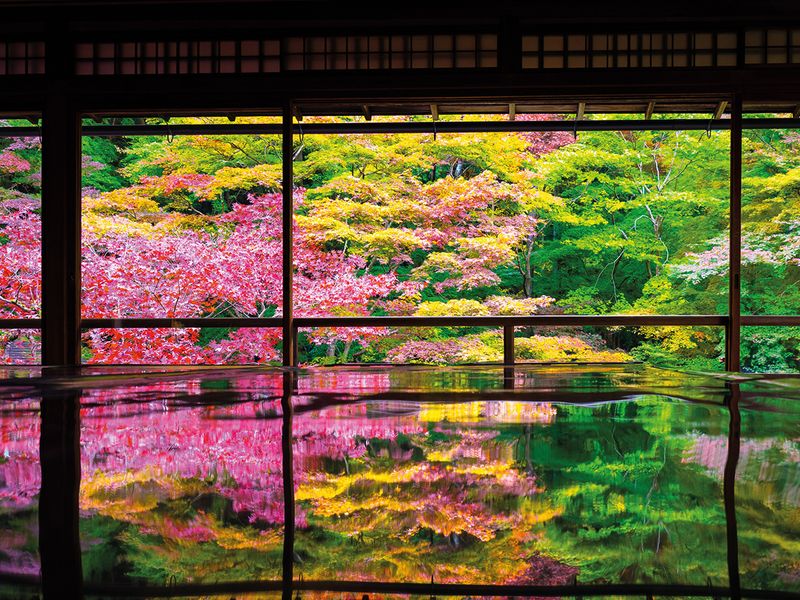
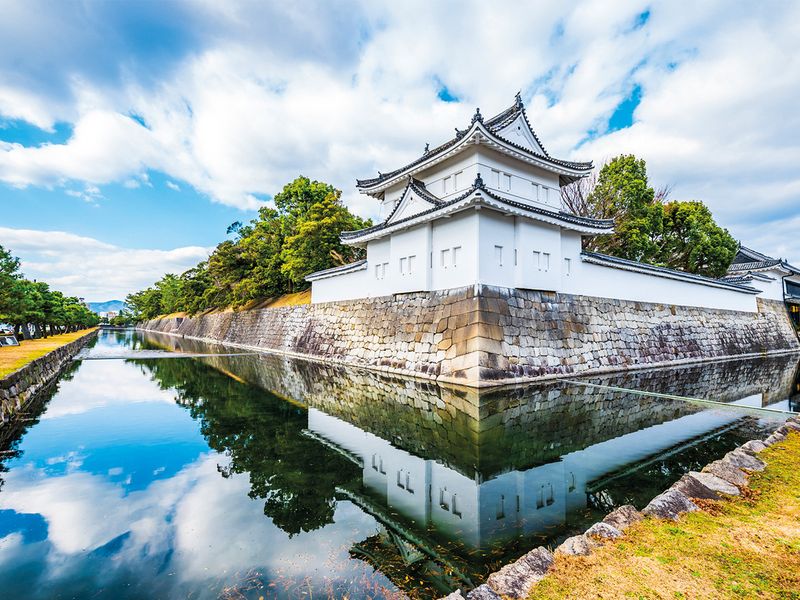
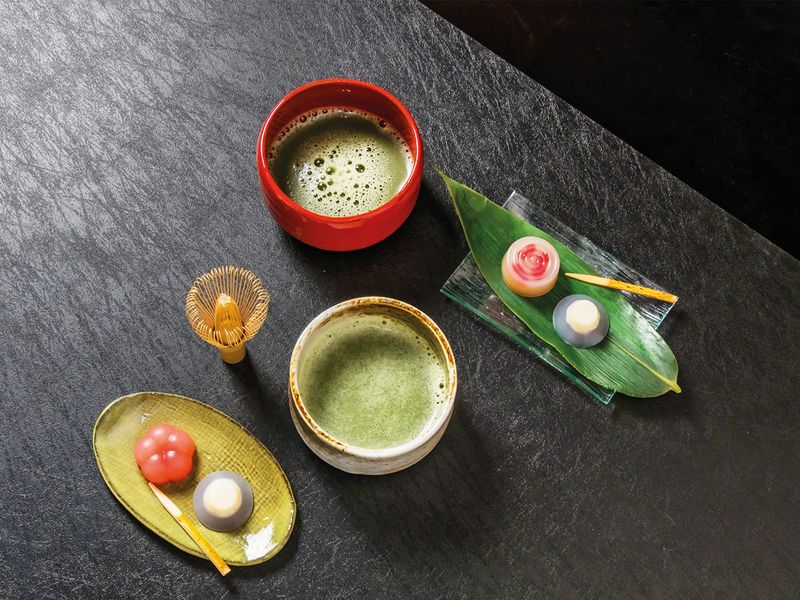
Fushimi Inari Taisha shrine, one of Japan’s most famous Shinto shrines, is a mere 5-minute train ride south from Kyoto Station. In Japan, it is sacred to the deity Inari, the god of agriculture, industry, general prosperity, and worldly success. The messenger of Inari is a fox, so shrines devoted to Inari usually feature foxes Image Credit: PixtaThe kimono has long been recognised as one of the most beautiful of the world’s traditional garbs, and even today, it is the preferred clothing for Japanese celebrations and special occasions Image Credit: PixtaKyoto’s most famous bamboo grove is situated in Arashiyama, approximately 40 minutes by train – and another world away – from Kyoto Station Image Credit: PixtaIf you’re looking for the perfect getaway from the bustling crowds in Kyoto, Rurikoin Temple is a remarkably calm and peaceful choice. It is only open to the public for two periods each year, from April to June and October to December Image Credit: PixtaIf you are a fan of Japanese history, the Nijo Castle in Kyoto is a must-see. A short 15-minute bus ride from Kyoto Station, the entire castle’s premise has been designated as a World Heritage Site, and the elegant Ninomaru Palace is a National Treasure Image Credit: PixtaWagashi, or Japanese confectionary, is the sweet side of Kyoto’s culinary offerings. As pretty as they are delicious, wagashi are often presented as gifts, and reflect the current season, either in colour, shape, flavour or ingredients Image Credit: Pixta
Twists and traditions in Shizuoka
What else would you expect of the region that’s home to the most iconic of Japanese sights, Mount Fuji? Scenic but often overlooked Shizuoka, boasts all the sightseeing and sensory mainstays of a Japanese sojourn.
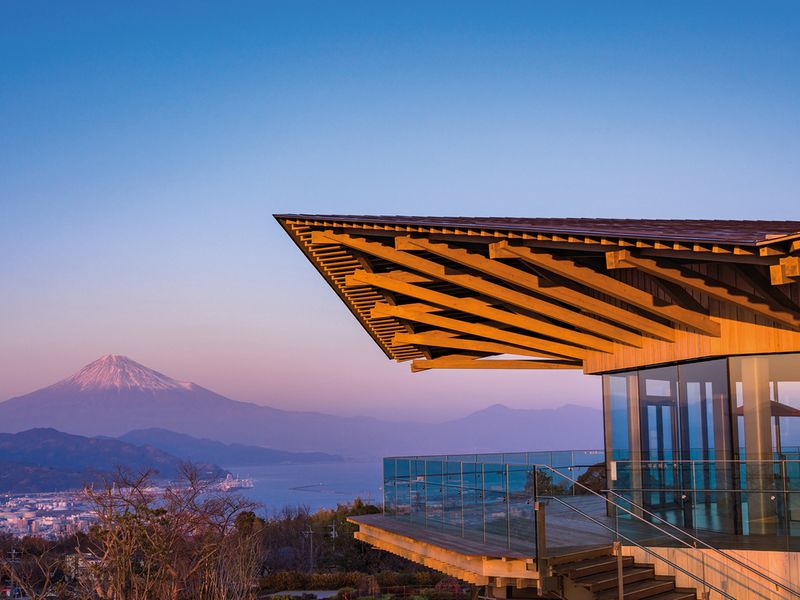
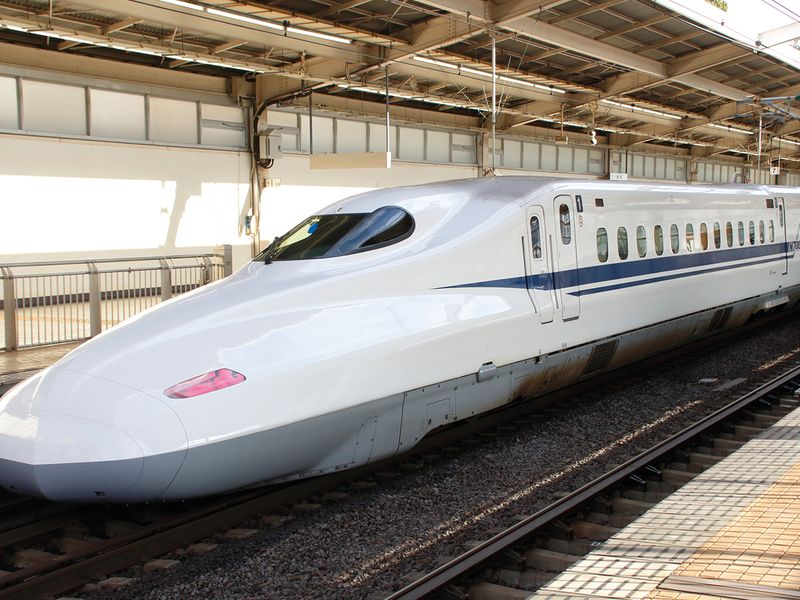
Nihondaira Yume Terrace, located around 40 minutes by bus from Shizuoka Station, is built on a hilly altitude of 300 metres and comprises a three-storey observation facility, 200 metre-long observation corridor and 1,200 square metres garden Image Credit: PixtaShinkansen (bullet train) is a national railway that connects major cities in Japan. No trip to Japan is complete without a ride on Shinkansen, which shoots travellers around the country at over speeds of 270 kilometres per hour Image Credit: PixtaAn off-shoot of Yamaha Corporation, the now independent Yamaha Motor Company, boasts the second-largest sales of motorcycles in the world. Image Credit: Pixta